
Northrop targeting more European sales for IBCS, with local production pitch
Denmark, Germany and the United Kingdom are all countries Northrop is pitching, or plans to pitch, on its Integrated Battle Command System.
Denmark, Germany and the United Kingdom are all countries Northrop is pitching, or plans to pitch, on its Integrated Battle Command System.
Passive sensors do not need to emit energy to find and fix targets, thus, they are harder for adversaries to find, track and target.


Cybersecurity skills must evolve in near-real time as Zero Day threats continue and AI provides new challenges.

Democrat Sen. Maria Cantwell of Washington, where Boeing is headquartered, continues to raise concerns about potential interference with civil and military aviation.

Missile analyst Ralph Savelsberg explains how the Houthis have managed to modify their Scud missiles with enough range to get inside Israeli territory.
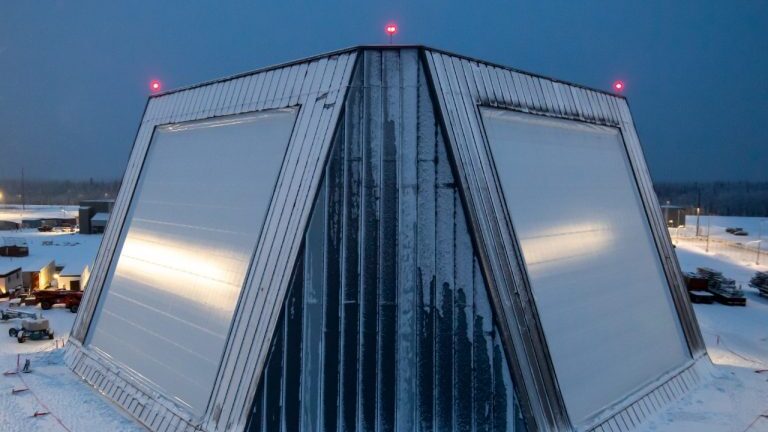
Selling off the low S-band "is a terrible, horrible, no good, very bad idea," Tom Karako, director of the CSIS Missile Defense Project, told Breaking Defense today.


To keep our homeland safe, we need a new approach to missile defense.
Michigan’s defense ecosystem and expertise makes it a special asset for production.

"This Iron Dome is perfect timing for us, and I'd be willing to go into Trump’s office and tell them we're ready to go today," said Dave Alexander, president of General Atomics Aeronautical Systems, Inc.

Israel’s history of developing new air defenses to defend against emerging threats is closely entwined with the US experience in air defenses.

Charles Beames lays out how the Iron Dome for America project needs to be structured in order for it to be successful.

Keeping the Glide Phase Interceptor program on track needs to be a priority for the new administration and Congress, writes former NORTHCOM officer Howard “Dallas” Thompson.


The initial command and control gateway to earn a continuous Authority to Operate is changing multi-domain operations.

A pair of sources told Breaking Defense that Greece is in the fact-finding process of what systems Israeli might be willing to sell, as Athens looks for multi-layered air defense options.

Australia's minister for defense procurement, Pat Conroy, noted in a statement that, “Australia was the first country, other than the United States, to fire the SM-6 missile, underscoring the strength of our alliance.”

Lockheed Martin and Raytheon had been closing watching the Army's Lower-Tier Future Interceptor program, but the cancelation of that effort comes as little surprise, company officials said.

In this op-ed, Matthew Costlow argues that the next president should turn their attention, and the budget, to homeland missile defense.